

A coaching page should help visitors answer four questions quickly: Is this for someone like me? What kind of support is offered? Why should I trust this person? What happens if I want to begin?
The page does not need to explain every training philosophy or package detail. It needs enough specificity to qualify interest and make the next step feel clear.
Introduce the coach and the category
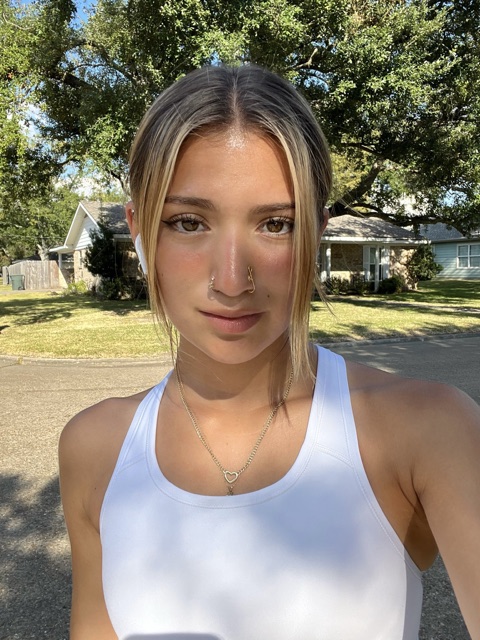
Open with a current portrait, name, role, and concise description. Clarify whether the work is online, in person, contest prep, general fitness, strength, nutrition education, business coaching, mindset support, or another specialty.
Location matters for in-person services. Delivery model matters for online services. Put that context in the opening rather than making visitors discover it after tapping an application.
Examples:
- “Online physique coaching for lifters who want structured training and direct support.”
- “Strength and conditioning for busy professionals in Manchester.”
- “Contest preparation with individual programming, posing support, and honest feedback.”
Keep regulated or medical claims out of the marketing unless they are accurate, permitted, and supported by the provider’s credentials.
Feature one main way to work together
Many coaches offer several packages, but one is usually the intended entry point. Give it a clear treatment near the top.
Include:
the name of the service;
who it is for;
the core type of support;
whether it is online or in person; and
what the action begins.
Use “Apply for coaching” when there is an application, “Book a consultation” when there is a calendar, and “Ask about coaching” when the destination starts a conversation. Do not label an intake form as an instant booking.
Explain what support feels like
Coaching is an ongoing relationship, not only a deliverable. Visitors want to know how the service works.
Answer the useful questions:
- How often are plans or check-ins updated?
- How does communication happen?
- Is programming individualized?
- What does feedback cover?
- Is there a minimum commitment?
- Which clients are not a fit?
Keep the page concise by summarizing the experience and linking to a complete service guide where needed.
- Name the transformation carefully
Explain what kind of coaching you provide and who it is designed for without promising an outcome you cannot guarantee.
- Feature the primary program
Give the core offer a clear position, concise scope, and an honest action such as apply, inquire, or book a call.
- Show the working relationship
Explain what support, communication, assessment, and accountability look like so visitors can picture the experience.
- Add relevant proof
Use testimonials, credentials, client stories, or educational content that support the specific offer rather than generic motivation.
- Offer the right entry point
Provide one main conversion path and one lower-commitment path for visitors who need more context before applying.
Use proof with context
A transformation image without context can be difficult to interpret and may create the wrong expectation. Testimonials and client stories should explain the experience, problem, timeframe where appropriate, and what the coach actually contributed.
Other useful proof includes:
- relevant qualifications;
- years or areas of experience;
- competition history when it relates to the offer;
- educational videos or articles;
- client retention or process details, when accurate; and
- partnerships that genuinely support the practice.
One detailed testimonial can be more persuasive than a wall of short compliments.
Give content a job
Fitness pages often accumulate workout videos, recipe guides, calculators, podcast appearances, affiliate links, and social profiles. Keep them when they support the coaching journey.
A useful lower-commitment path might be:
- download a training guide;
- watch an explanation of the coaching process;
- read a client case study;
- join a newsletter;
- view an exercise library; or
- follow the most active educational channel.
This gives visitors a next step when they are interested but not ready to apply.
Keep affiliate offers separate from coaching
Supplements, apparel, equipment, and sponsor codes can be useful, but they should not make the page feel like a coupon directory before the coaching offer is understood.
Group partner offers in a dedicated section. Label them clearly, explain what is recommended, and disclose the relationship appropriately. Keep the coaching inquiry visually stronger.
A practical page order
- Coach identity and specialty
- Primary coaching action
- How coaching works
- Relevant proof
- Secondary programs or services
- Free educational entry point
- Partner offers
- Contact and active social channels
If the coach is currently launching a program, the launch can temporarily move above the evergreen coaching section. Afterward, return the page to its stable structure.
Review it as a prospective client
Ask someone unfamiliar with the coaching business to open the page and tell you:
- what kind of coaching is offered;
- who it appears to be for;
- what they would receive;
- what they would click to start; and
- what questions remain.
If they can identify the aesthetic but not the service, the page needs clearer language. If they understand the offer but cannot find the application, the hierarchy needs work.
The best coaching page combines direction with restraint: a clear specialty, an honest view of the working relationship, relevant proof, and one appropriate path to begin.